All articles
Senior Health 5 min read

Breast Cancer and Aging: What Every Senior Should Know

Breast cancer risk increases with age. Learn which changes to watch for, when to speak with a provider and how to make informed screening decisions.

The Care Alternatives Team
Share this article
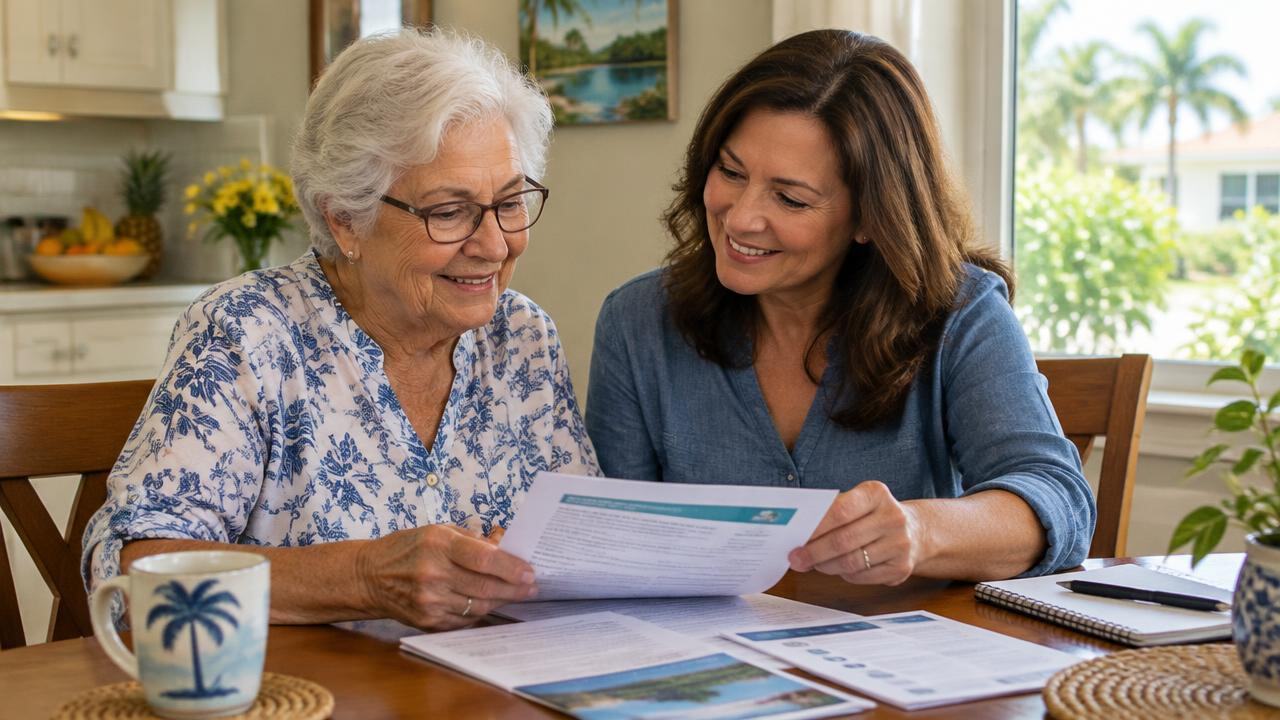
Senior woman discussing breast health and screening with a healthcare provider

Breast Cancer Awareness Month is a good reminder that breast health matters at every age. Knowing which changes to look for and talking with a healthcare provider about screening can help you make informed decisions about your health.

Why Breast Cancer Awareness Matters for Seniors

The risk of developing breast cancer increases with age, and most breast cancers are diagnosed after age 50. However, breast cancer can affect adults of any age.

Although breast cancer is far more common in women, men can develop it too. Any older adult who notices an unusual breast or nipple change should discuss it with a healthcare provider.

Age is only one part of your individual risk. Your personal medical history, family history, genetics, previous breast findings and certain lifestyle factors may also affect your likelihood of developing breast cancer.

Learn more about breast cancer risk factors from the CDC.

Know the Signs and Symptoms

Early breast cancer does not always cause noticeable symptoms, which is one reason screening can be important.

Being familiar with what is normal for your body can make it easier to notice a change. Contact a healthcare provider if you develop a new or unusual symptom, including:

  • A lump or thickened area in or near the breast
  • A lump or swelling under the arm
  • A change in breast size or shape
  • Dimpling or puckering of the skin
  • Red, darkened, scaly or swollen skin
  • A nipple that changes shape, flattens or turns inward
  • Nipple discharge that is not breast milk
  • Unusual swelling in part or all of the breast
  • Persistent breast pain or discomfort

Most breast changes are not cancer. However, a new or concerning change still needs to be evaluated by a healthcare provider.

Do not wait for your next routine mammogram or annual appointment to mention a symptom. Screening mammograms are intended for people without symptoms. A provider may recommend a diagnostic mammogram or another test when a change is already present.

Read more about breast cancer signs and symptoms from the National Cancer Institute.

Talk With Your Provider About Screening

A screening mammogram can sometimes find breast cancer before symptoms appear. The right screening plan depends on your age, overall health, personal and family history, previous mammogram results and individual preferences.

For women at average risk, the U.S. Preventive Services Task Force recommends a mammogram every two years from ages 40 through 74.

For women age 75 and older, there is not currently enough evidence for the Task Force to make one recommendation that applies to everyone. This does not automatically mean screening should stop at 75. It means the decision should be made individually with a healthcare provider.

People with a higher-than-average risk of breast cancer may need different screening recommendations.

Questions to Ask Your Healthcare Provider

Consider asking:

  • Based on my age and health history, should I continue getting mammograms?
  • How often should I be screened?
  • Does my family history affect my risk?
  • Do my previous mammogram results change your recommendation?
  • Have I ever been told that I have dense breast tissue?
  • What are the possible benefits and downsides of continued screening for me?
  • Would finding breast cancer early change the treatment options I would consider?
  • Should I have any testing beyond a standard mammogram?

Healthy Habits That Support Breast Health

No lifestyle change can completely prevent breast cancer, but healthy habits can support your overall well-being and may help reduce certain risk factors.

Simple steps include:

  • Staying physically active in ways that are safe for you
  • Maintaining a healthy weight
  • Eating a balanced and nutritious diet
  • Attending regular medical appointments
  • Avoiding tobacco products
  • Choosing not to drink alcohol or limiting how much you drink
  • Learning about your personal and family health history
  • Taking medications as directed and discussing hormone therapy with your provider

Small, realistic changes are often more sustainable than trying to change everything at once.

How Family Members and Caregivers Can Help

Health information and medical appointments can become overwhelming, particularly when someone is managing several conditions or seeing multiple specialists.

A trusted family member or caregiver can help by:

  • Writing down questions before an appointment
  • Keeping a record of previous mammograms and results
  • Helping schedule appointments
  • Providing transportation
  • Taking notes during provider visits
  • Encouraging a loved one to report new symptoms promptly
  • Following up on referrals or additional testing

The goal is not to make healthcare decisions for the person. It is to make sure they have the information and support needed to make informed choices. Our article on supporting a loved one at home offers more ideas.

Take the Next Step

Make an appointment with your healthcare provider to discuss your breast health, personal risk and whether screening is right for you.

If you notice a new lump, nipple change, skin change, swelling or another unusual symptom, contact a provider promptly rather than waiting for your next routine screening.

Care Alternatives does not provide breast cancer screening, diagnosis or treatment. As a licensed South Florida Nurse Registry, we refer caregivers who can help older adults and families with daily routines, personal care, transportation, appointment reminders and support at home. Explore our in-home care services or read when it may be time for in-home care.

If your family needs additional help at home, call Care Alternatives at 800-631-3793 or request care to speak with a coordinator.

Frequently Asked Questions

Does breast cancer risk increase with age?

Yes. The risk of developing breast cancer increases with age, and most breast cancers are diagnosed after age 50. Age is not the only risk factor, so personal and family health history should also be discussed with a healthcare provider.

What breast changes should seniors report?

New lumps, thickened areas, swelling, nipple changes, discharge, changes in breast shape, skin dimpling, redness and persistent pain should be discussed with a healthcare provider.

How often should women receive mammograms?

For women ages 40 through 74 who are at average risk, the U.S. Preventive Services Task Force recommends screening mammography every two years. Individual recommendations may differ based on health history and risk.

Should women continue getting mammograms after age 75?

There is not enough evidence for the U.S. Preventive Services Task Force to make a general recommendation for all women age 75 and older. The decision should be discussed individually with a healthcare provider based on overall health, preferences and personal risk.

Can men develop breast cancer?

Yes. Breast cancer in men is uncommon, but it can occur. Men should contact a healthcare provider if they notice a breast lump, nipple discharge, nipple changes or unusual skin changes.

Should I wait for my next mammogram if I notice a lump?

No. Contact a healthcare provider when you notice a new or unusual change. A provider may recommend diagnostic testing rather than waiting for a routine screening mammogram.

This article is provided for general educational purposes and is not a substitute for medical advice, diagnosis or treatment. Screening recommendations and individual health needs vary. Speak with a qualified healthcare provider about your personal risk, symptoms and screening schedule.

Share this article

Found this helpful? Send it to a family member or caregiver who might need it.

Could your loved one use additional support at home?

Care Alternatives refers compassionate caregivers to families throughout Miami-Dade, Broward and Palm Beach counties. Speak with a coordinator about personal care, companionship, transportation, appointment reminders and support with daily routines.